PARIS PHOTO 2026
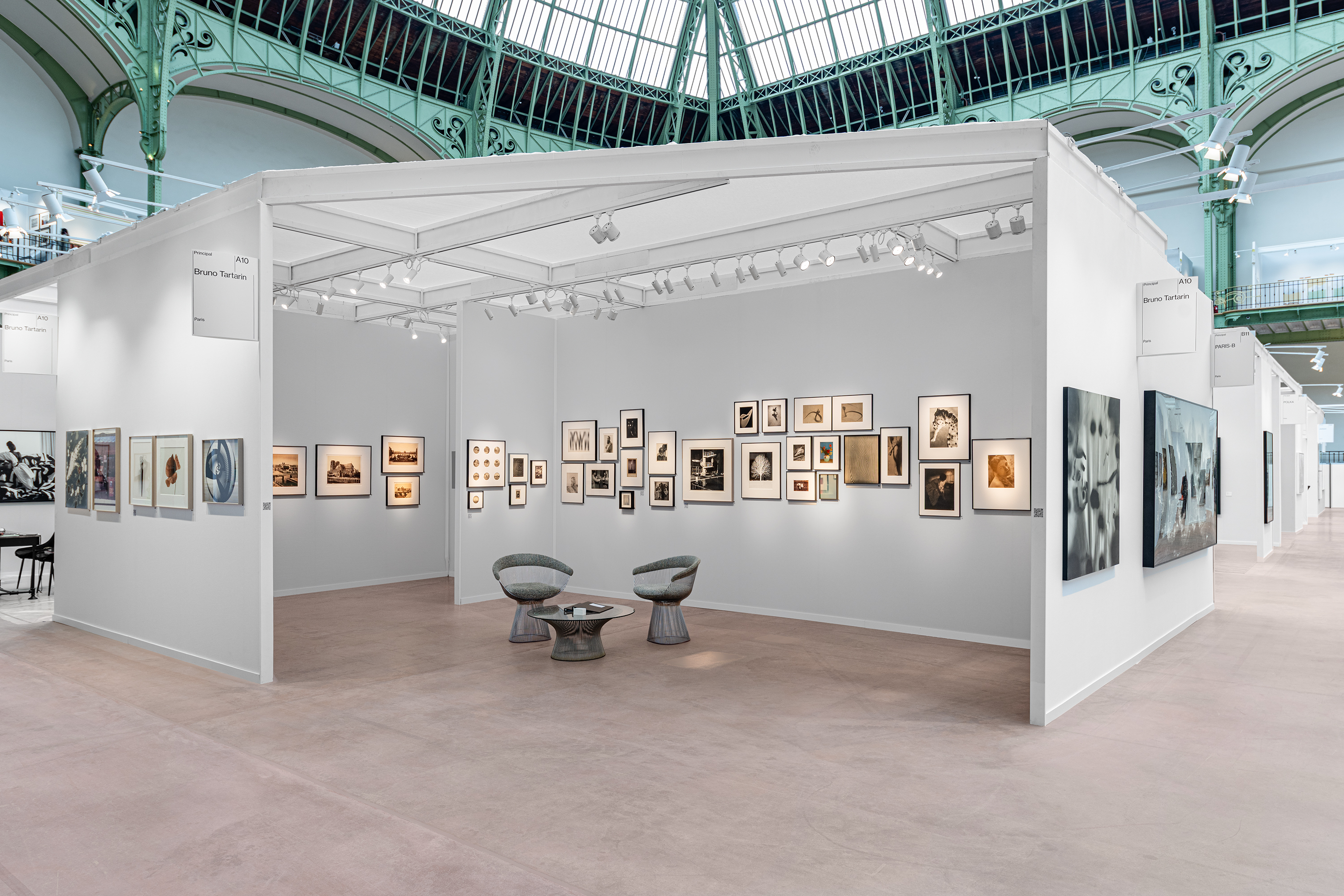
12- 15 N0VEMBRE GRAND PALAIS STAND / BOOTH A 10
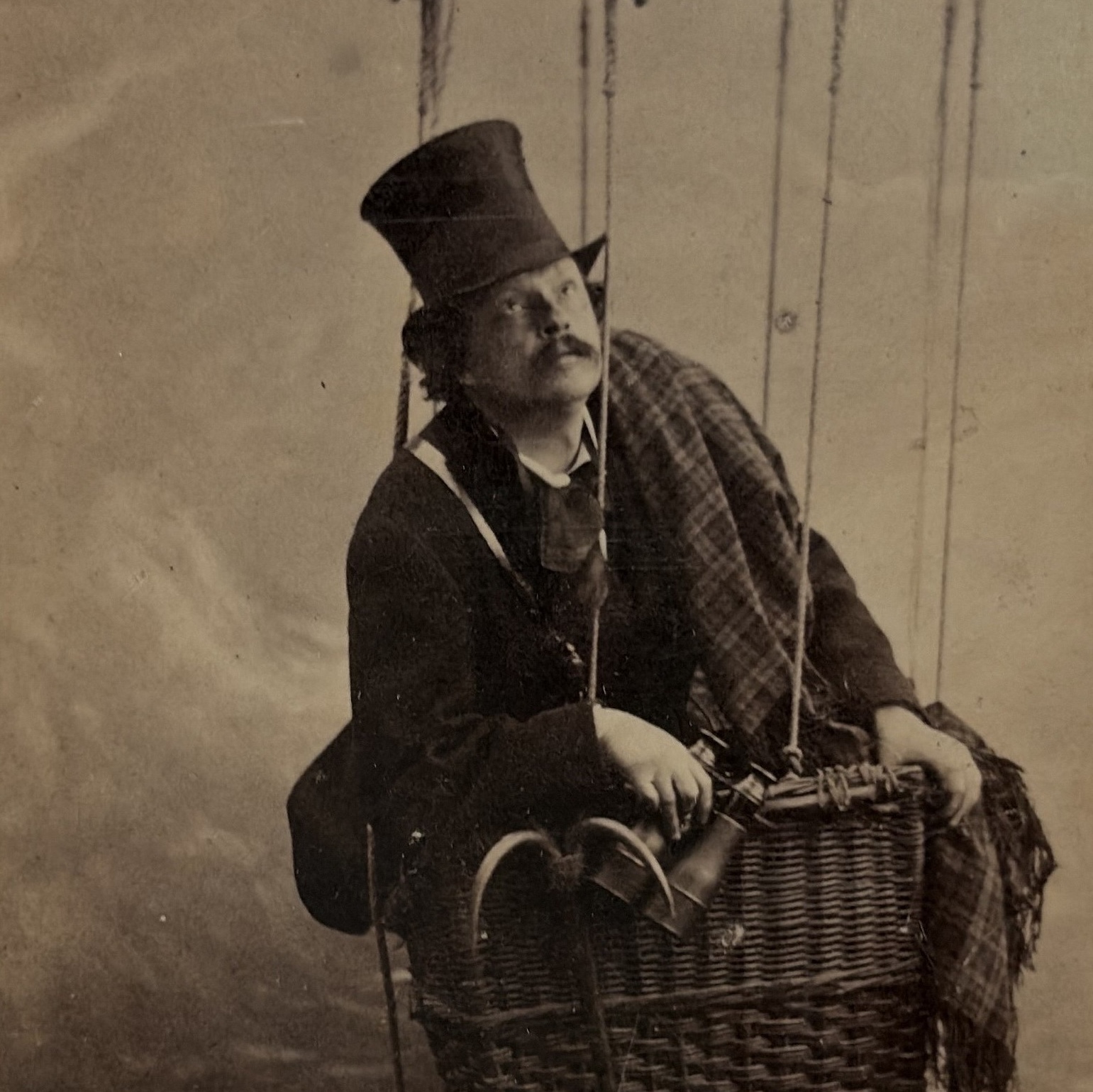

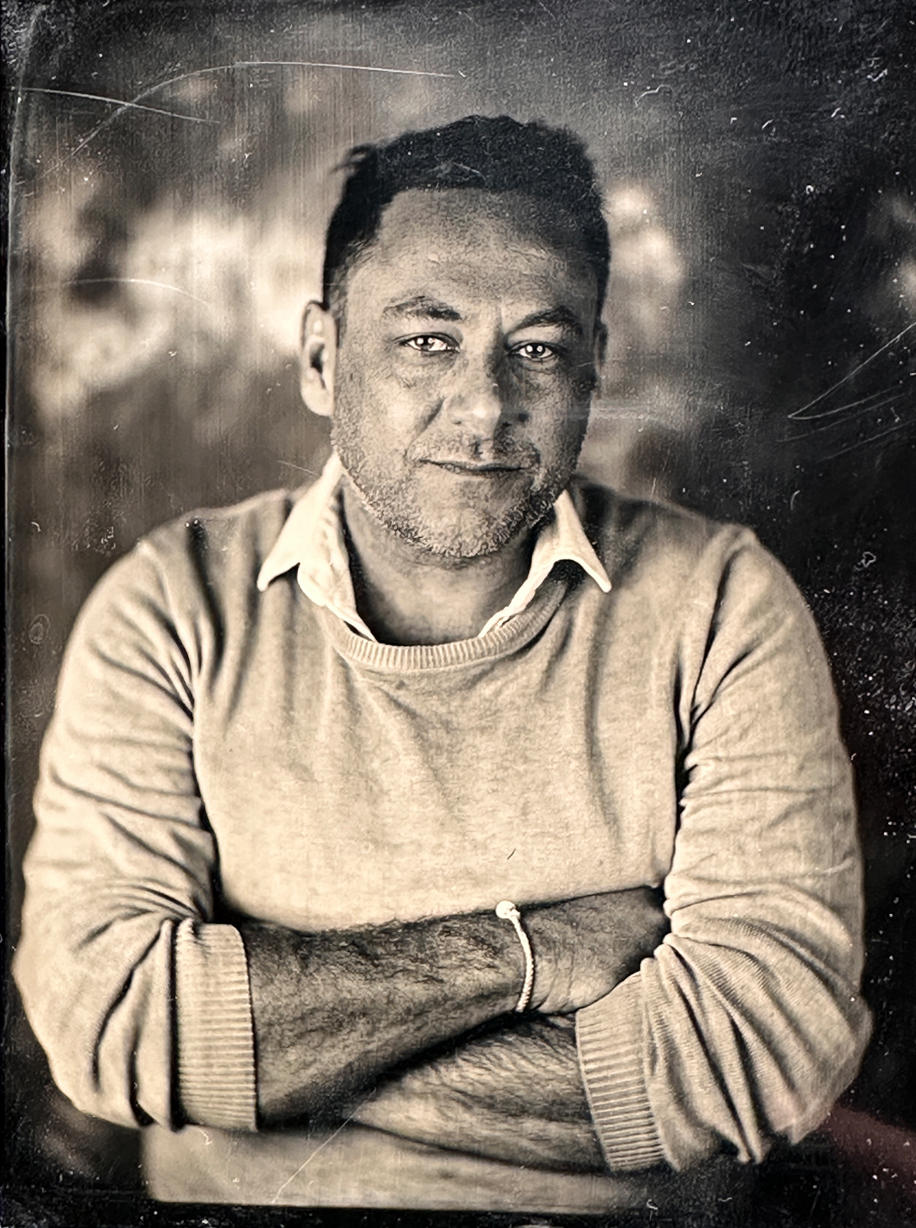
He is the publisher of The Classic and has over the last decades been a key player in the international world. Last year, Bruno Tartarin exhibited at The Photography Show and Paris Photo for the first time. A couple of months before the 2025 edition of the New York fair, we spoke about his career.
My father, Jean Luc Tartarin,
is a photographer. He was also a photography teacher at Beaux Arts, the Art School in Metz, in fact the youngest teacher ever in the art department. At the age of 20, he was awarded the Prix Niépce. When I was 10, my parents started organising big exhibitions in Metz, with accompanying catalogues and books. One of the exhibitions, Théâtre des Réalités, was also shown at Palais de Tokyo in Paris, at the time managed by Robert Delpire. The artists my parents worked with, John Coplans, Sandy Skoglund, Joel-Peter Witkin and others, would visit us in Metz. In the early ’80s, when I was still quite young, I framed photographs, helped hang them at exhibitions and I loved to be part of the whole process. I also travelled a lot with my parents to visit photographers and galleries abroad, Brussels, Amsterdam and other places.
Yes, and that was totally different from the contemporary scene. They loved going to flea markets and buying things for the home. I think I was 14 when I bought my first Daguerreotype. Later, in my student years, I would go to the flea market every weekend. I started buying and selling and also helped some of the dealers to make a little money. After I finished art school in 96, I moved to Paris and did my civil service with Agnès de Gouvion Saint-Cyr at Délégations aux arts plastiques. There were quite a few of us doing the civil service and she used to call us “les petits Kikis”, after Kiki, the Japanese toy monkey. It was a great experience because I dealt with a lot contemporary photography, framing prints for exhibitions, photographing them for.
My father, Jean Luc Tartarin, is a photographer. He was also a photography teacher at Beaux Arts, the Art School in Metz, in fact the youngest teacher ever in the art department. At the age of 20, he was awarded the Prix Niépce. When I was 10, my parents started organising big exhibitions in Metz, with accompanying catalogues and books. One of the exhibitions, Théâtre des Réalités, was also shown at Palais de Tokyo in Paris, at the time managed by Robert Delpire. The artists my parents worked with, John Coplans, Sandy Skoglund, Joel-Peter Witkin and others, would visit us in Metz. In the early ’80s, when I was still quite young, I framed photographs, helped hang them at exhibitions and I loved to be part of the whole process. I also travelled a lot with my parents to visit photographers and galleries abroad, Brussels, Amsterdam and other places.
Yes, and that was totally different from the contemporary scene. They loved going to flea markets and buying things for the home. I think I was 14 when I bought my first Daguerreotype. Later, in my student years, I would go to the flea market every weekend. I started buying and selling and also helped some of the dealers to make a little money. After I finished art school in 96, I moved to Paris and did my civil service with Agnès de Gouvion Saint-Cyr at Délégations aux arts plastiques. There were quite a few of us doing the civil service and she used to call us “les petits Kikis”, after Kiki, the Japanese toy monkey. It was a great experience because I dealt with a lot of contemporary photography, framing prints for exhibitions, photographing them for catalogues. A lot of interesting people stopped by, including Rik Gadella who was then preparing the very first edition of Paris Photo in 1997. And that year, I helped Arnaud Delas frame photographs and hang them at the fair. I just loved the fair atmosphere and that love has stayed with me. What I particularly love about fairs is to offer the best selection of photographs to the public, a gaze reflecting the gallery’s spirit, and working on the installation, getting everything absolutely right before the doors open.
I loved creating art and taking photographs. When I finished the art school, I received a prize called Les Moins Trente, for photographers under 30, created by Robert Delpire at Centre national de la photographie. The committee couldn’t choose between four nominees that year so in the end, we all got the prize. There was a beautiful catalogue and an exhibition at Hôtel Salomon de Rothschild in Paris. In the end, it was a financial decision. I had to support myself. As I said, I started buying and selling very early, loved flea markets and fairs and I was fascinated by the photography business, especially the 19th century. There was a lot of activity in Paris at that time, a great many dealers and collectors. I met Harry Lunn, Pierre-Marc Richard, Christophe Goeury and others. I had discovered the wonders of 19th century photography as a child, when a friend of my parents, Joachim Bonnemaison, came to visit. He had built big collection of panoramas and he always had some albums or panoramas in his car. Once he had a complete album of Charles Nègre’s Sud de la France. I remember being very impressed by it.
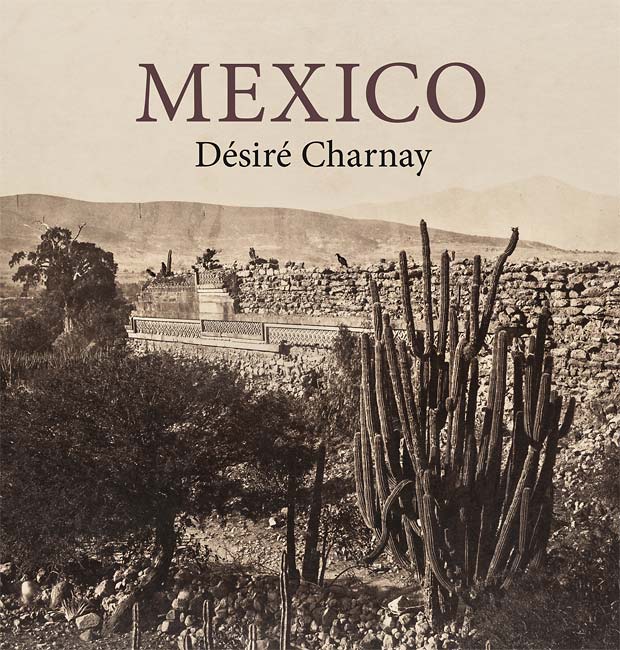
I was very active, buying and selling, at auctions as well, and I was building relationships. Then in 1998, I found a complete album of Désiré Charnay’s images of Mexico and that was a real step up for me. In 2001, I was the first photography dealer to exhibit at a fair called Pavillon des antiquaires, high quality and quite chic, in the garden of Tuileries. I met Daniel Blau there, and some important collectors. Then I started a collaboration with Régis Besse, the owner of Photo Verdeau, a shop near Drouot. He was focused on cameras and I suggested adding photographs. He was reluctant at first but I gave him a big folder of prints and said, “See what you can do with that.” It worked well, and we built a business selling photographs on the web. We moved to Passage Jouffroy, one of the beautiful arcades in Paris. I was buying a lot of stock and then I started selling on eBay. In 2012, we decided to split the business. I moved to Arnaville in the countryside, where I had ample room for my growing stock. Initially, I called my business Photo Vintage but later changed it to Photo Discovery.
There had been a small tabletop fair, organised by Joseph Delarue in collaboration with Serge Plantureux. The problem, as I saw it, was that the venues and dates kept changing, causing confusion, and most visitors were well, “insiders”. I felt that it would be possible for a tabletop fair to reach a much wider audience and that it should be held during Paris Photo. In 2017, I held the first edition at Pavillon Wagram. We had 100 tables, a lot of visitors, curators and collectors and it was a big success. It was also evident that the market needed this kind of fair. It wasn’t a competitor to Paris Photo. The fair was a different way to see and buy photographs, in a price range from 5 euros to 10 000 euros. Small fairs are very important, I think. They attract real aficionados, collectors and curators and I regard the latter as indirect collectors. They’re all addicted. But the small fairs also give people who aren’t established collectors to make their first purchases and that’s crucial to help grow the market.
It’s a lot of work to do a fair, promoting it, dealing with exhibitors, making sure that everything runs smoothly. I decided it was time to hand over to somebody else. Barnabé put his own stamp on the fair, changing its name to 24.39. His first edition worked out really well. But the main reason for the handover was that in 2024, I exhibited at AIPAD’s The Photography Show in New York and Paris Photo for the first time.
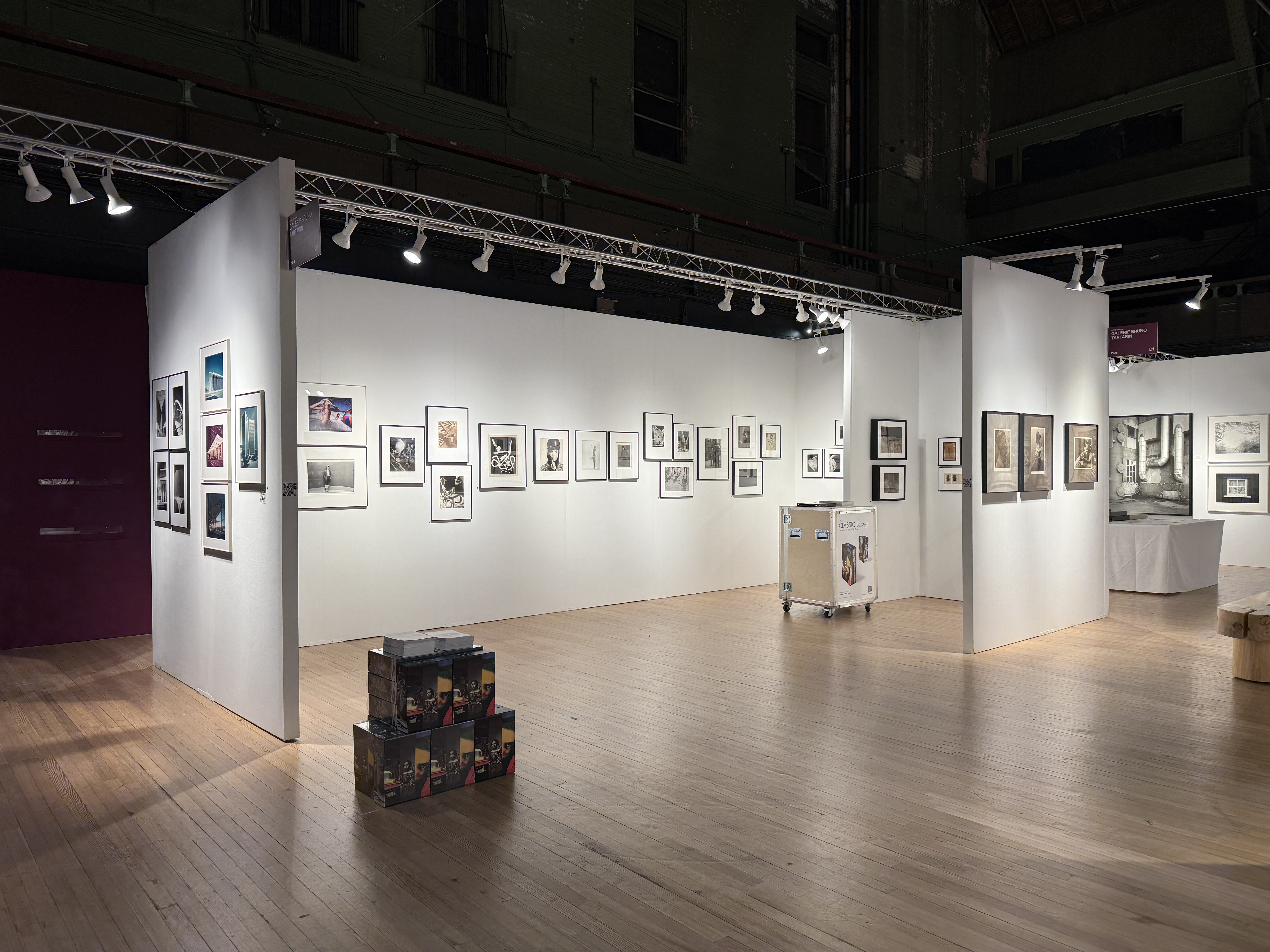
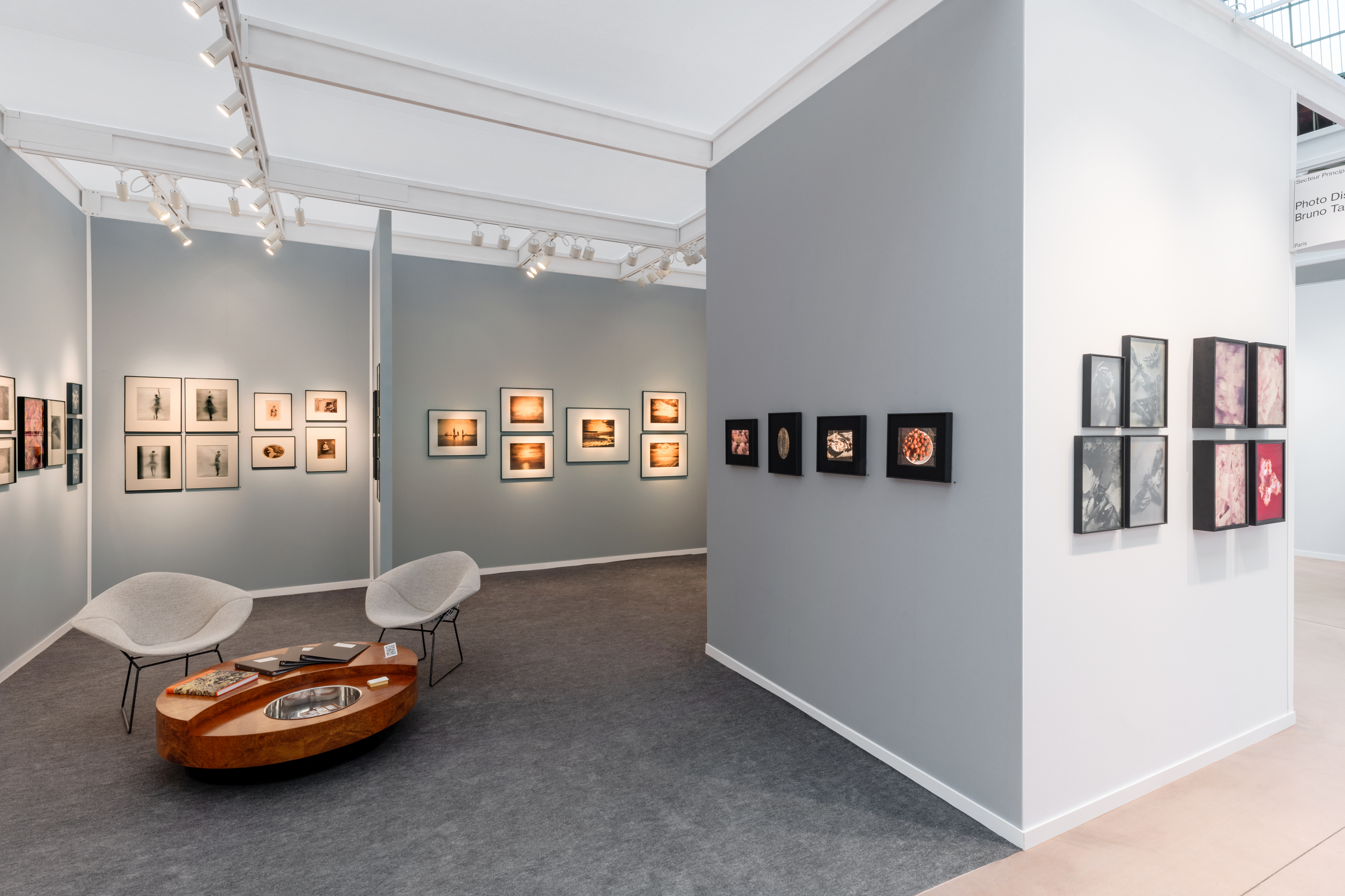
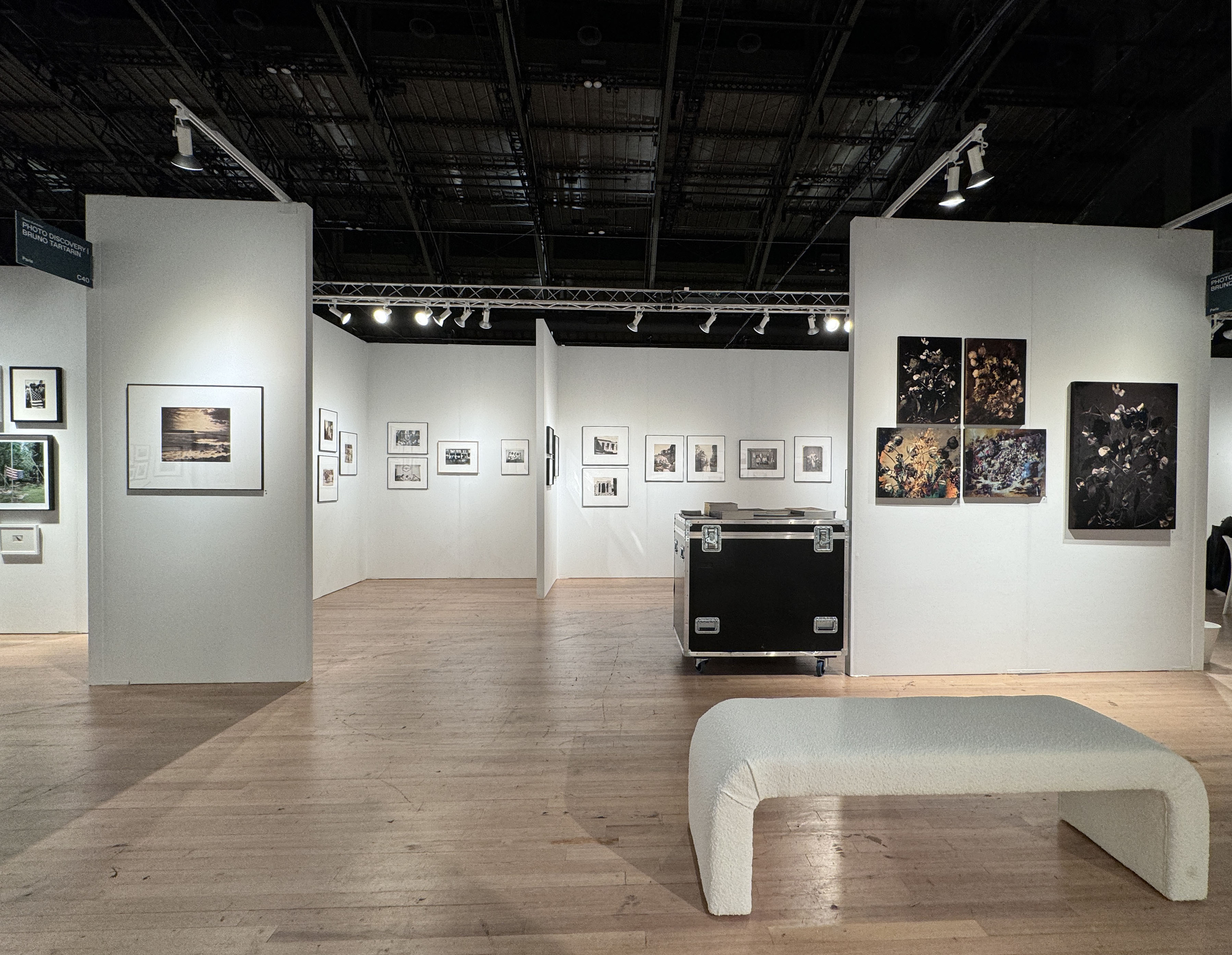
I had wanted to show at the two fairs for many, many years but the timing had to be absolutely right. In the life of a dealer, sometimes things take time. You need to have the right material, create the right presentation. In 2024, all those pieces came together. I planned the booths for the fairs meticulously and built walls to exact scale in my office, hung the works and tried different solutions. Creating mock-ups in computers or on paper just doesn’t give you a real impression of how it will look in real.
It’s a long process. I select the material, see how it works together. I mix periods, look at works as images, without thinking that much of whether a name is famous or not. not. And then I live with those ideas for a long time, I adjust, add, remove, etc. For me, it’s really important to surprise people with what you show. I have never limited myself to a period. I always consider photographs as images. The presentation in New York was more classic but in Paris, the range was much wider and it worked really well. We achieved strong sales but the biggest success for me was the reaction of the public, not just from the established collectors but also the general public.
The idea was in the same spirit that I built the fair. The market needed a fair. It also needed a magazine, and by extension, I needed it. At the time, if you wanted to get information on classic photography, be it galleries, dealers, collectors, curators or auction house specialists, you had to go 20 different places and read different newsletters. It needed to have it all in one place. I also felt it should be a magazine on paper, this in order to make it special.
It was a challenge but it worked out well and we are now at issue 13. To be honest, I was surprised by the quality, and art director Mike Derez and later, graphic designer, Jasmine Durand, played important parts in this. And we survived the pandemic. Galleries and museums were closed. That was when we launched the digital version of the magazine, available as a free download from the website, giving it a global reach. The Classic grew and grew with each issue.
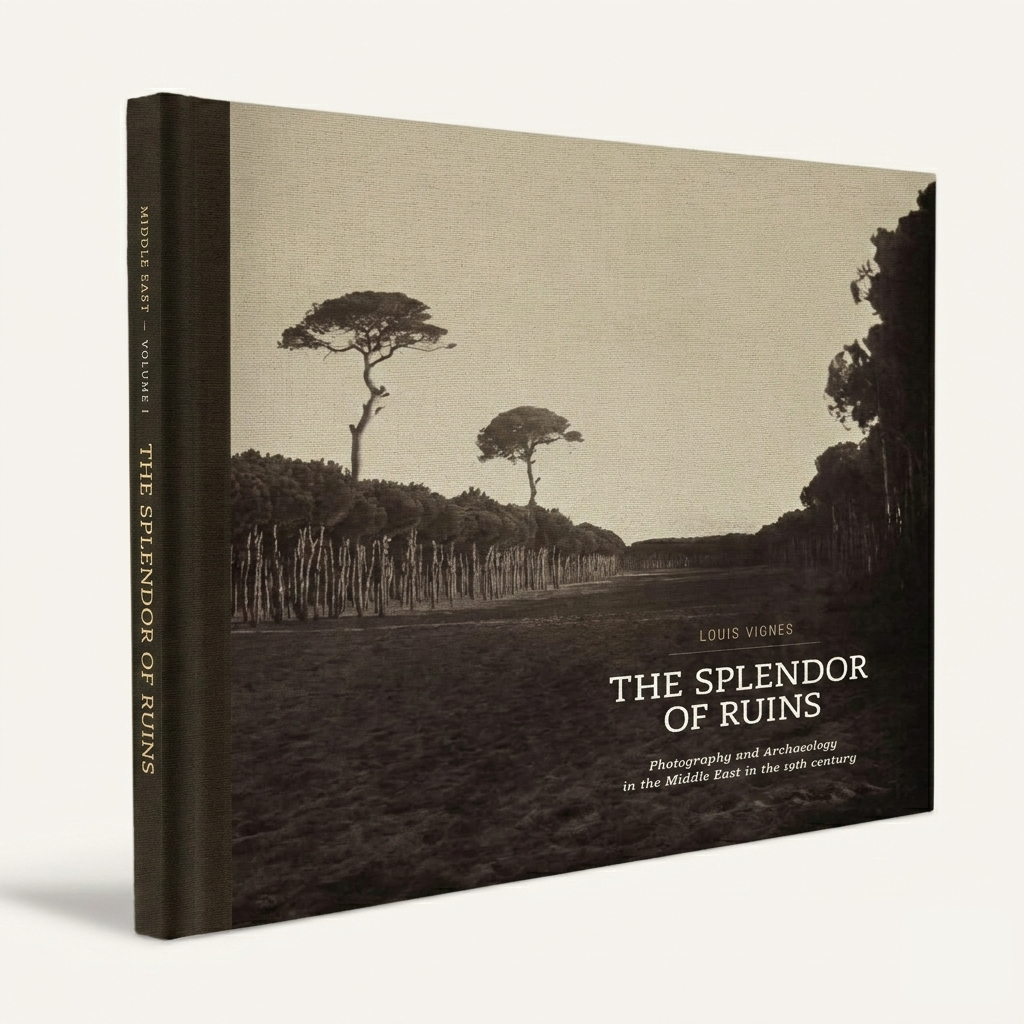
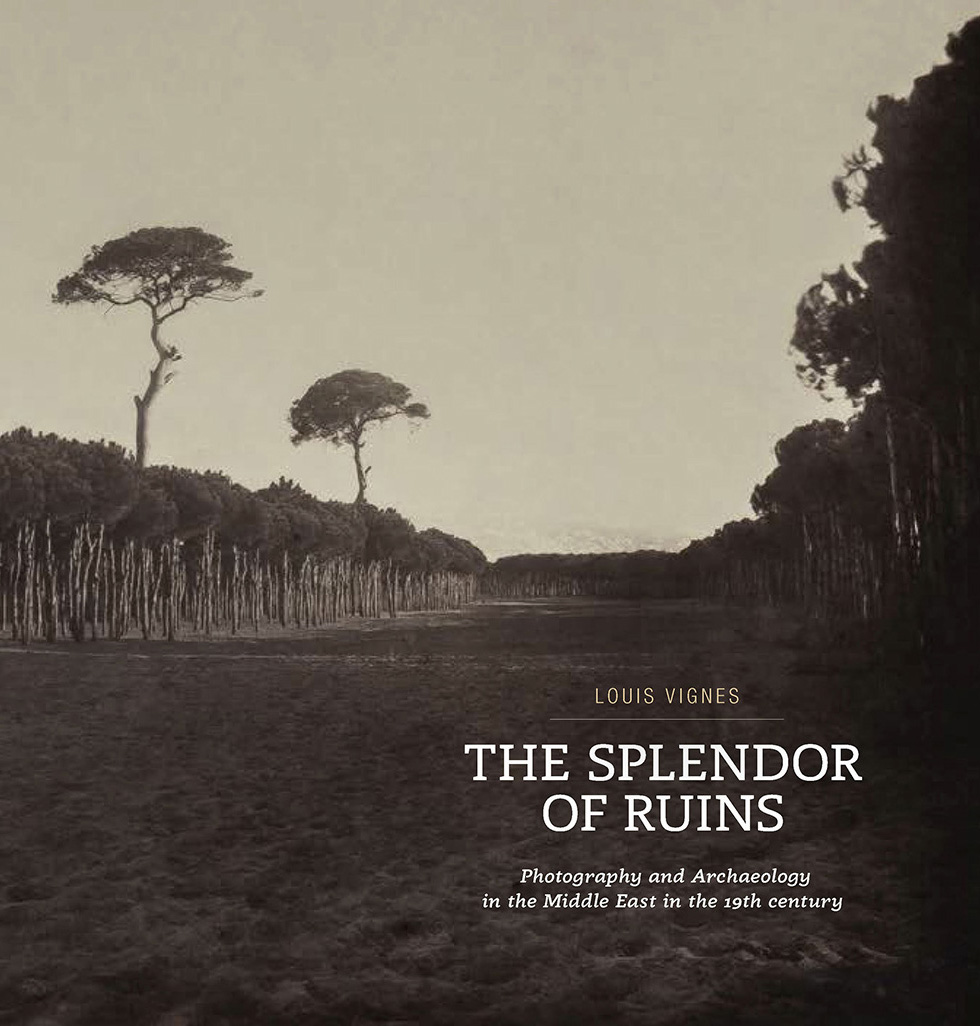
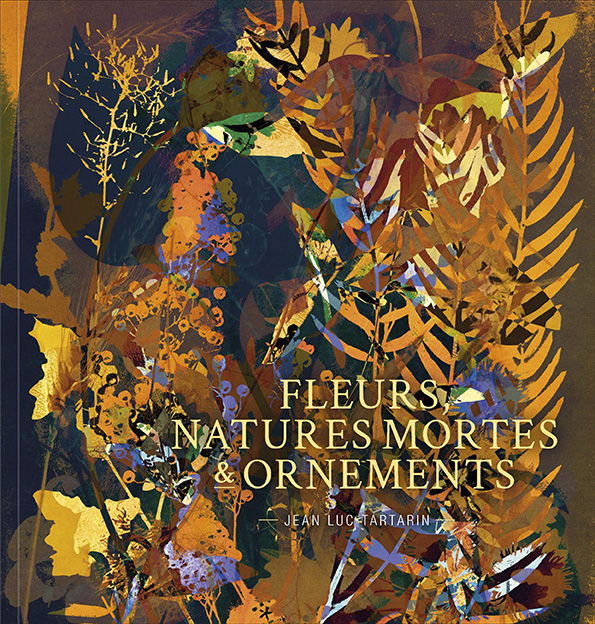
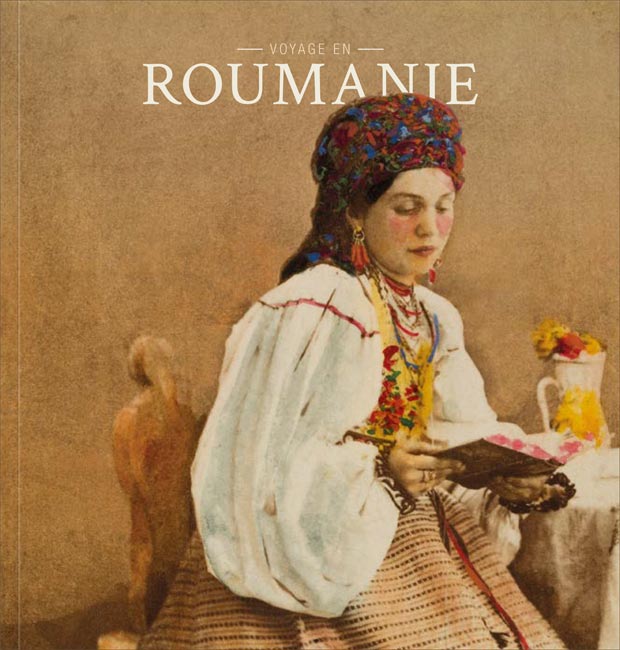
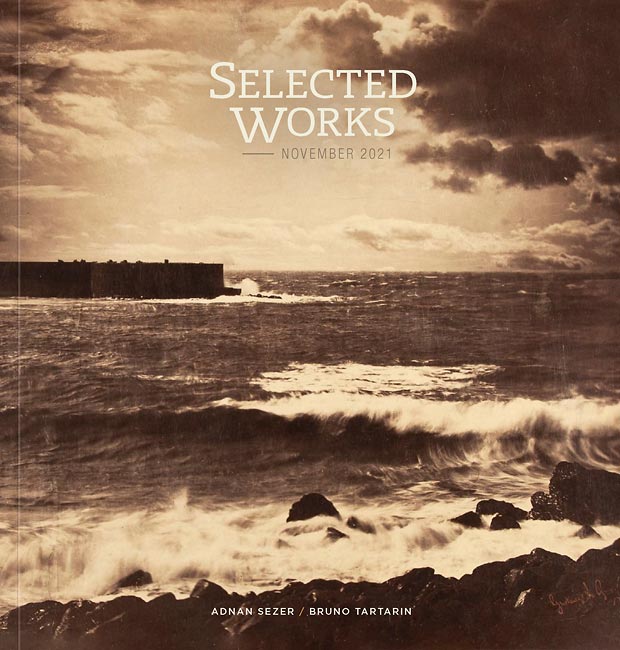
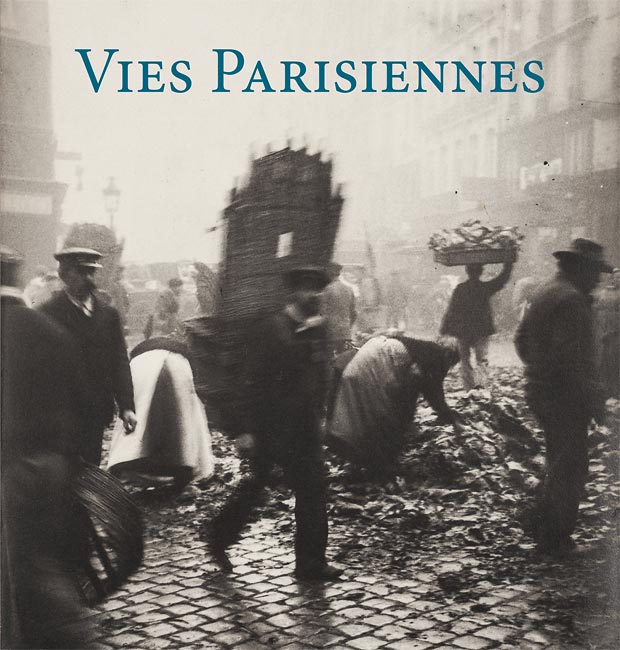
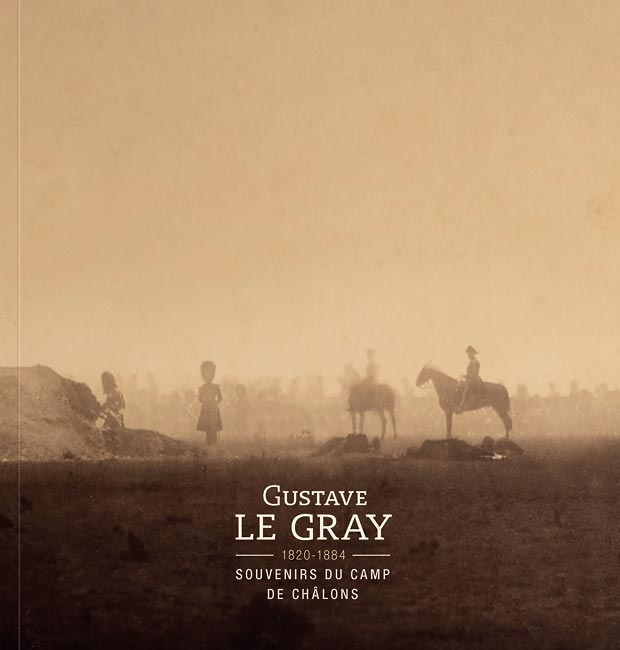
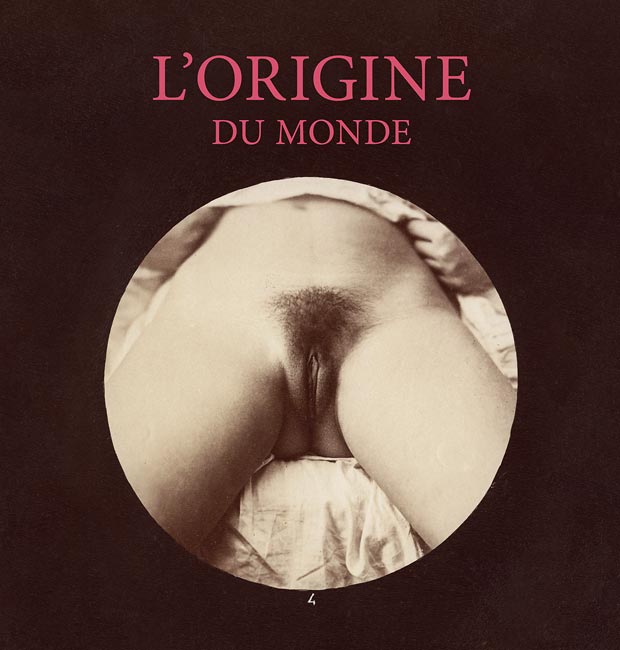
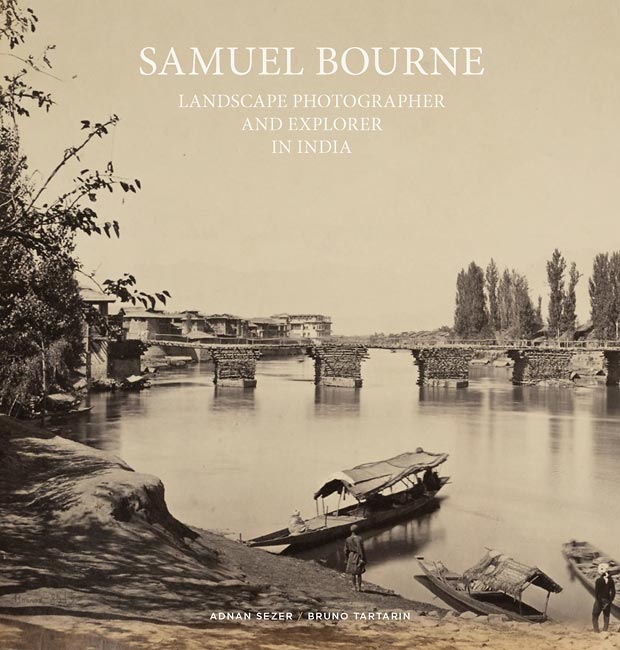
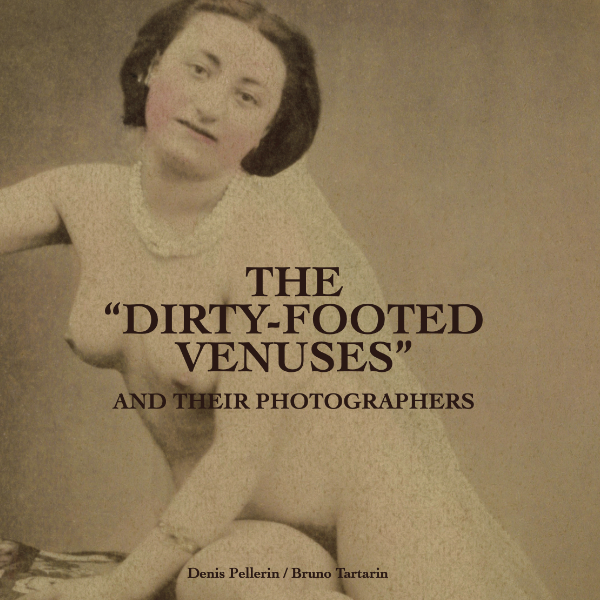
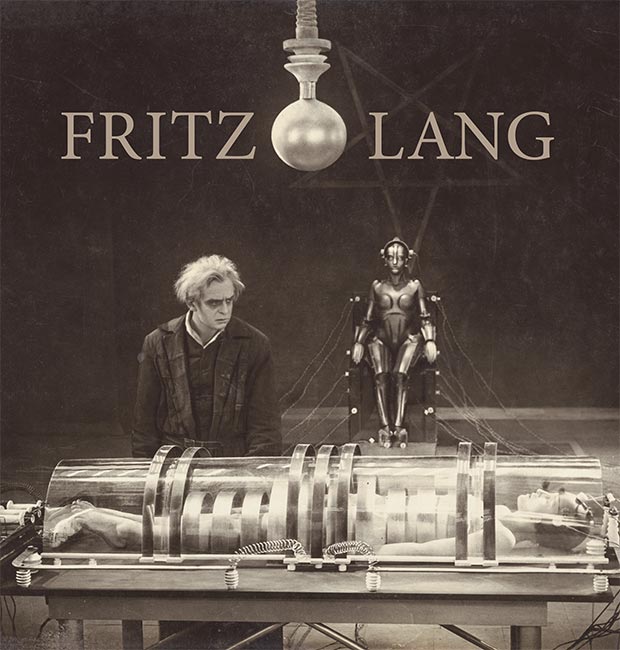
I chose it with great care and felt that this particular paper in was tune with fine photographs, especially 19th century photographs. It’s very expensive but it has to be right. I have always loved beautifully printed publications. Alongside the magazine, I also produce printed catalogues, mostly in small editions, 100 copies or so. By now, I have produced around 30 and they have since become collector’s items. In general, catalogues are now only available digitally but paper makes something feel special. It’s not the same on a screen. In some ways, it goes back to my early days in Paris. I was always fascinated by the catalogues Serge Plantureux used to print, back in the day when he had his shop at 4 Galerie Vivienne. In 2021, I started a new series of catalogues, on different themes such as portraits and Persia.
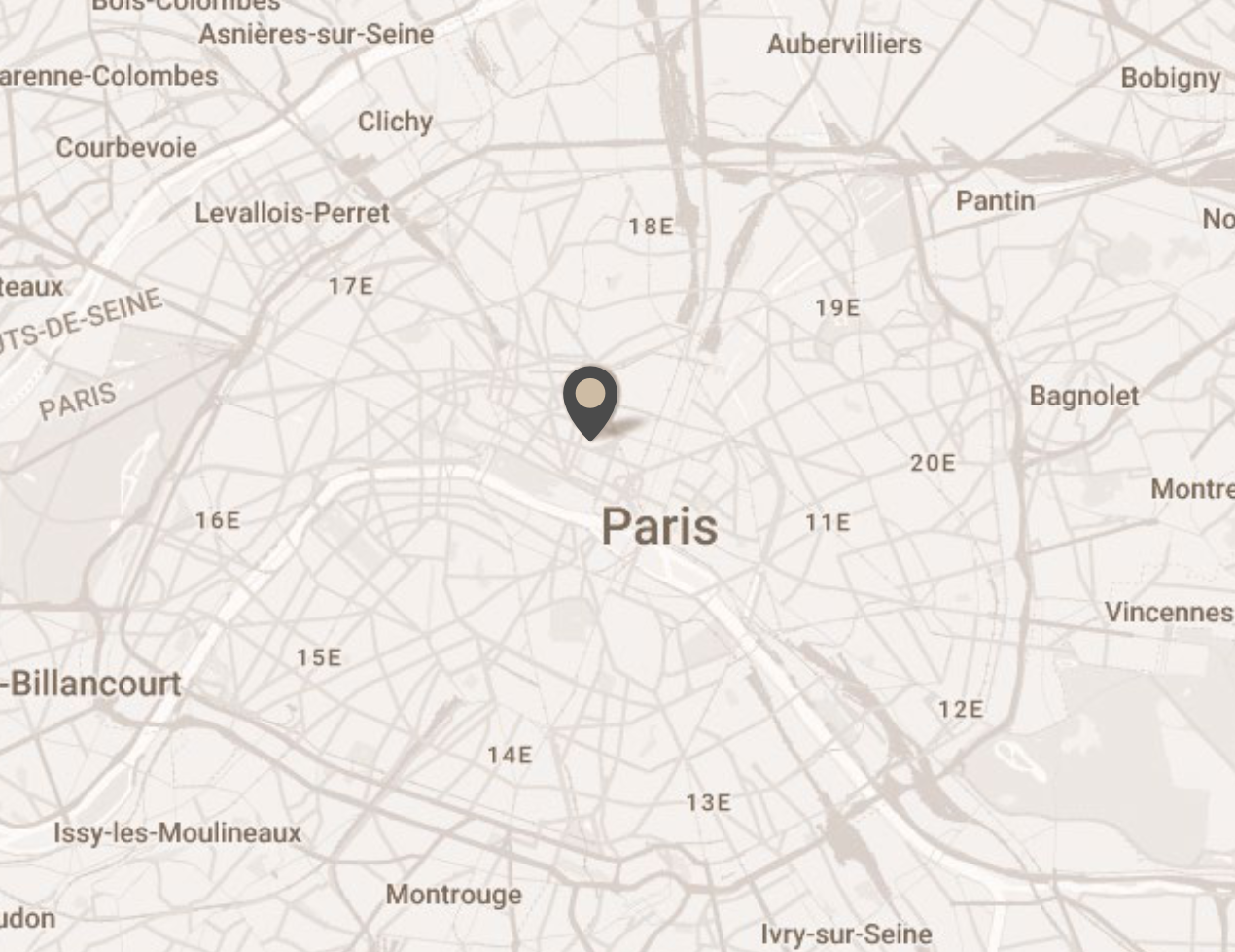
After so many years spent building a large inventory of nearly half million items, from documentary to topographic, from 1850 to 1950, I wanted to be back in a physical place. I had only one space in mind because 4 Galerie Vivienne had a long history of photography, first with Serge Plantureux and then Joseph Delarue. We opened in July 2023. The first year was pretty difficult financially but it gradually got better and better. We get established collectors and people who have never bought a photograph before come in and are amazed that they can handle the photographs.
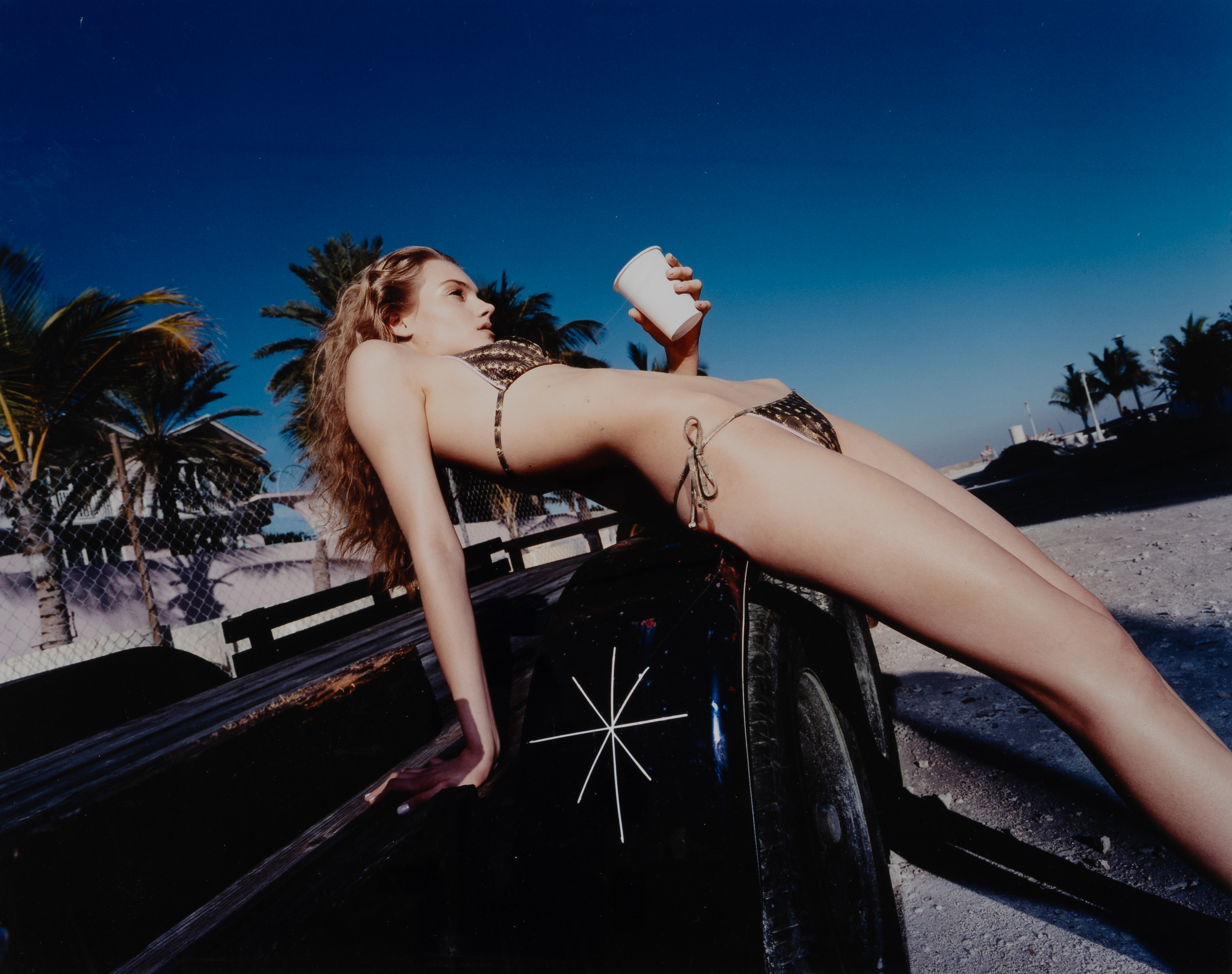
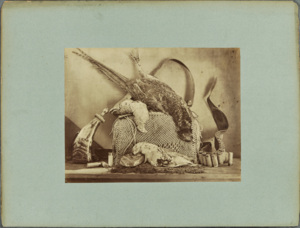
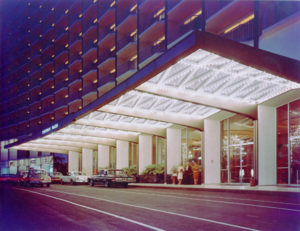
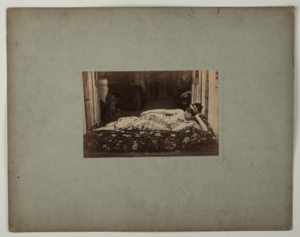
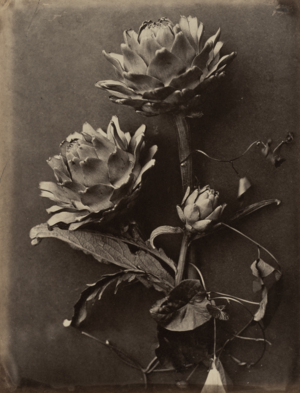
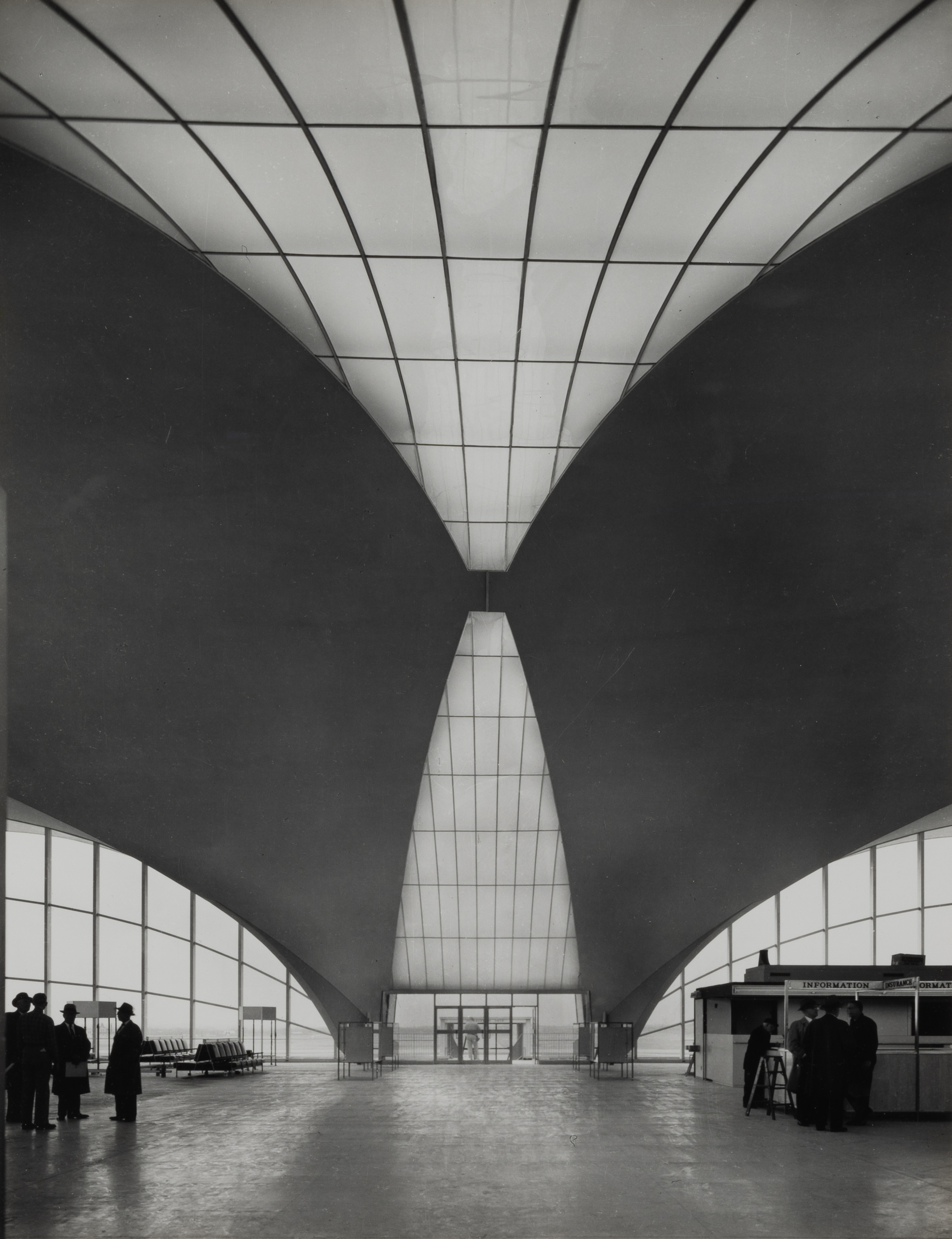
The selection for New York will be along the same line as my booth at Paris Photo last year, mixing 19th and 20th century, jumping from salt prints to silver and C-prints. The presentation includes rare works by Franck Chauvassaigne, such as a 1855 salt print nude, and a great still life by Achille Bonnuit from 1860, a previously unknown portrait by Man Ray from the early period. Later works include a great series taken in the early ’70s for the architectural firm of Minoru Yamasaki and Associates and a fantastic vintage fashion portrait of Dorothy McGowan by Richard Avedon.
"BRUNO COUPS DE COEUR" N°3, Juin 2026 |
› |
Visite Virtuelle |
› |
"BRUNO COUPS DE COEUR " N°2 Mars 2026 |
› |
"BRUNO COUPS DE COEUR N°1" février 2026 |
› |
BRUNO COUPS DE COEUR, NOEL 2025 |
› |
LUXEMBOURG ART WEEK 2025 |
› |
PARIS PHOTO 2025 |
› |
"BRUNO COUPS DE COEUR" New online sell |
› |
PARIS PHOTO 2025 |
› |
PARIS PHOTO 2025 |
› |
PARIS PHOTO 2025 |
› |
PARIS PHOTO 2025 |
› |
Aipad New York April 2025 |
› |
The Classic #13 |
› |
The Classic boxset |
› |
Paris Photo 2024 Stand C19 |
› |
Exhibition Martial Lorcet |
› |
Aipad April 2024 booth C40 |
› |


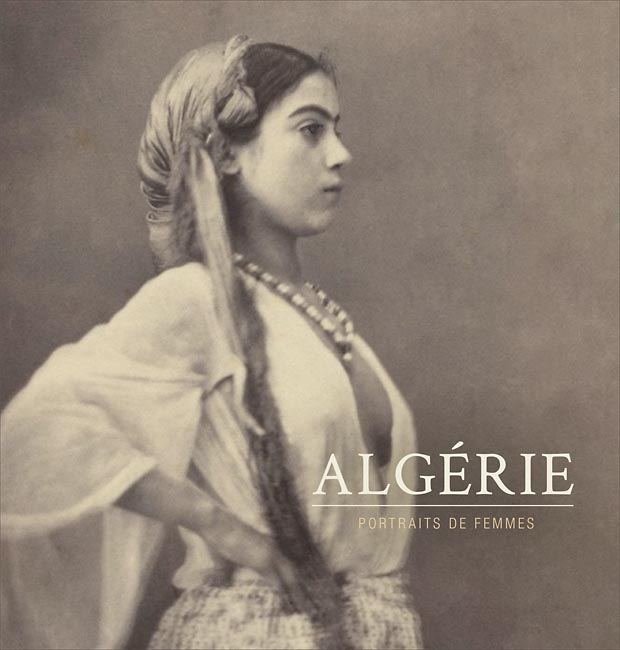
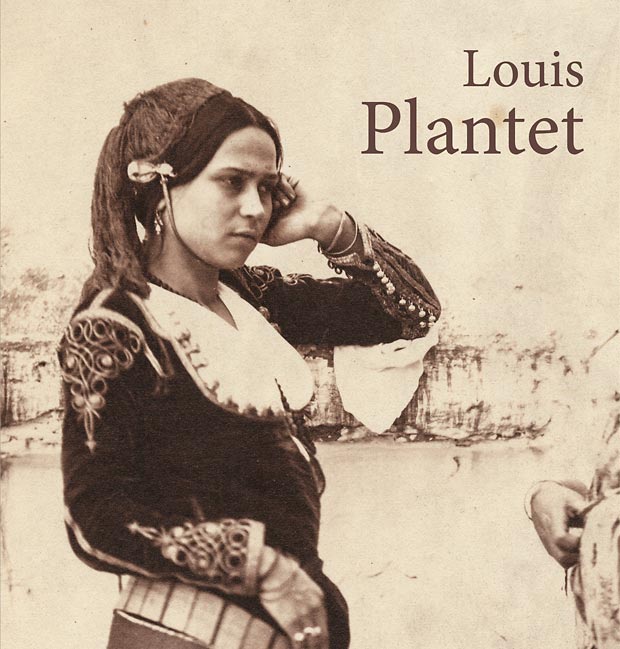

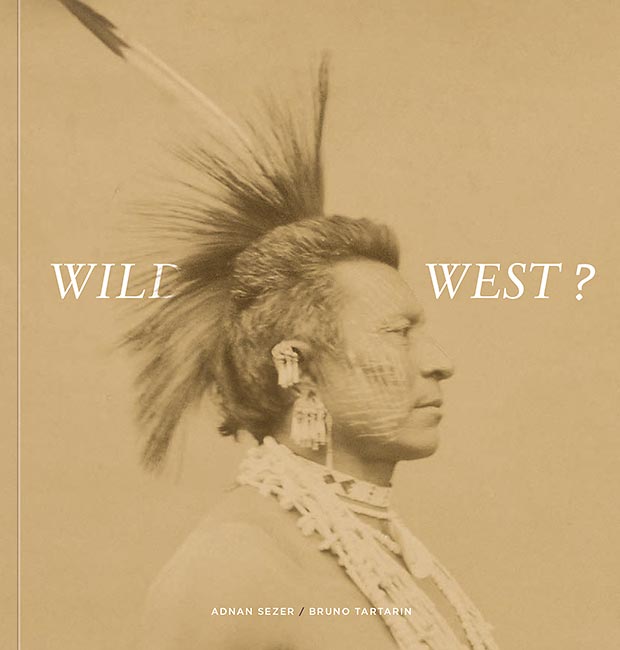
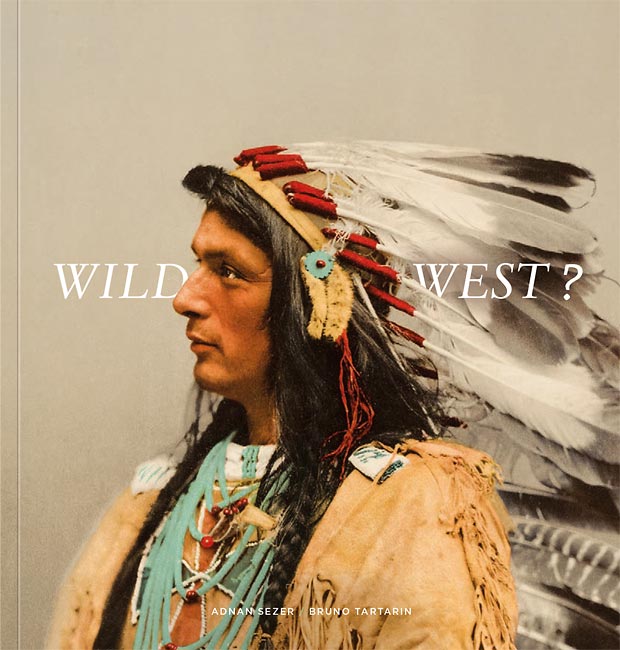

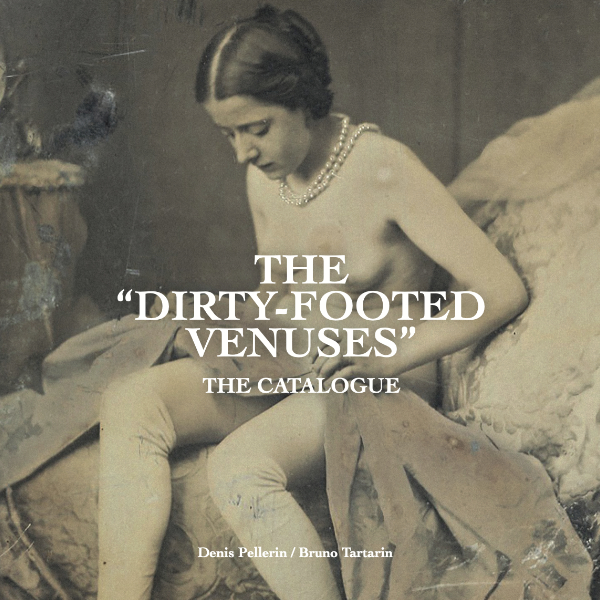
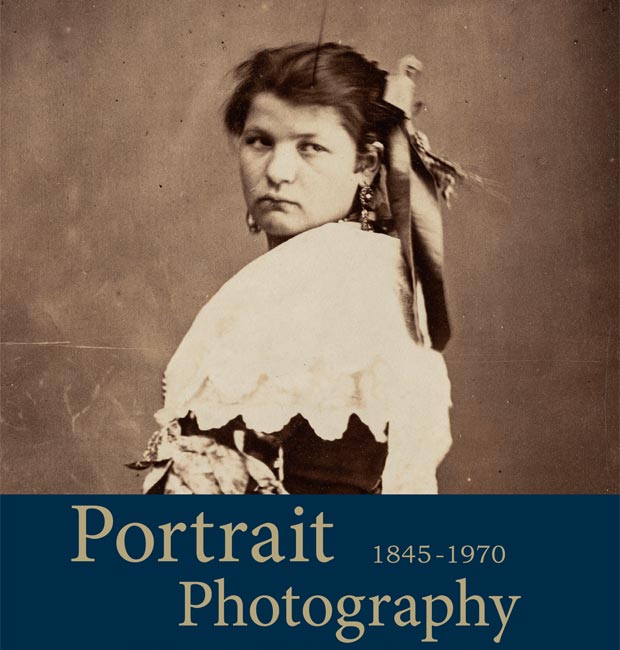
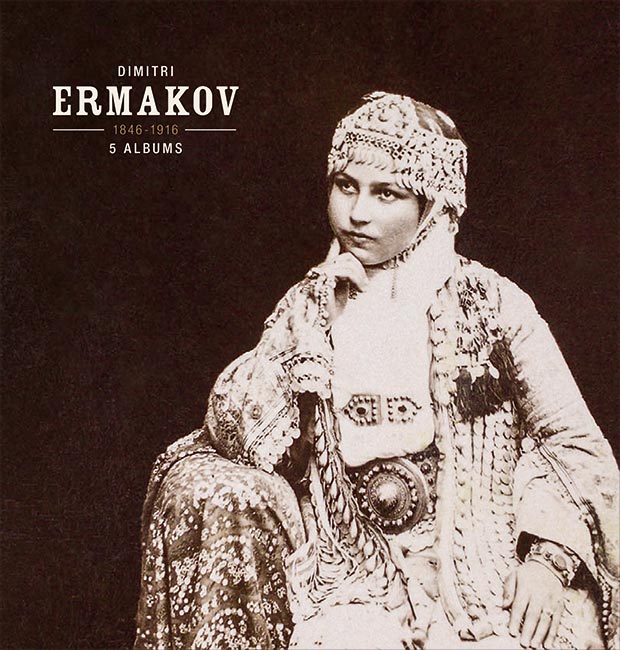

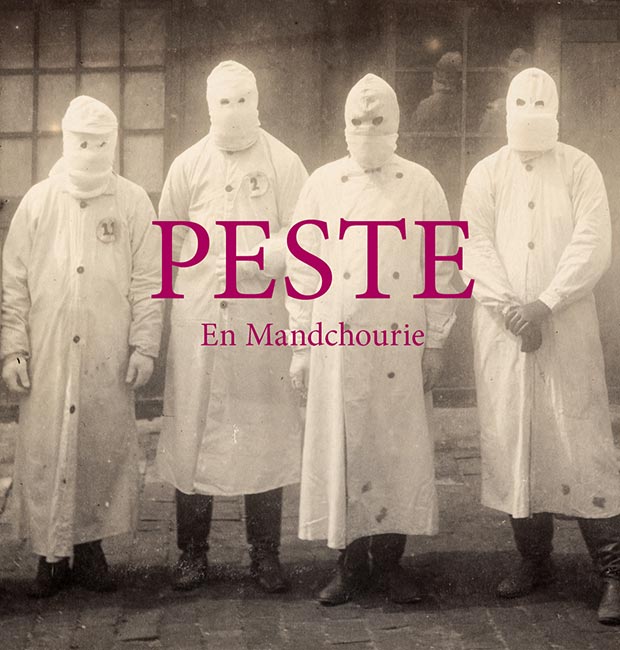


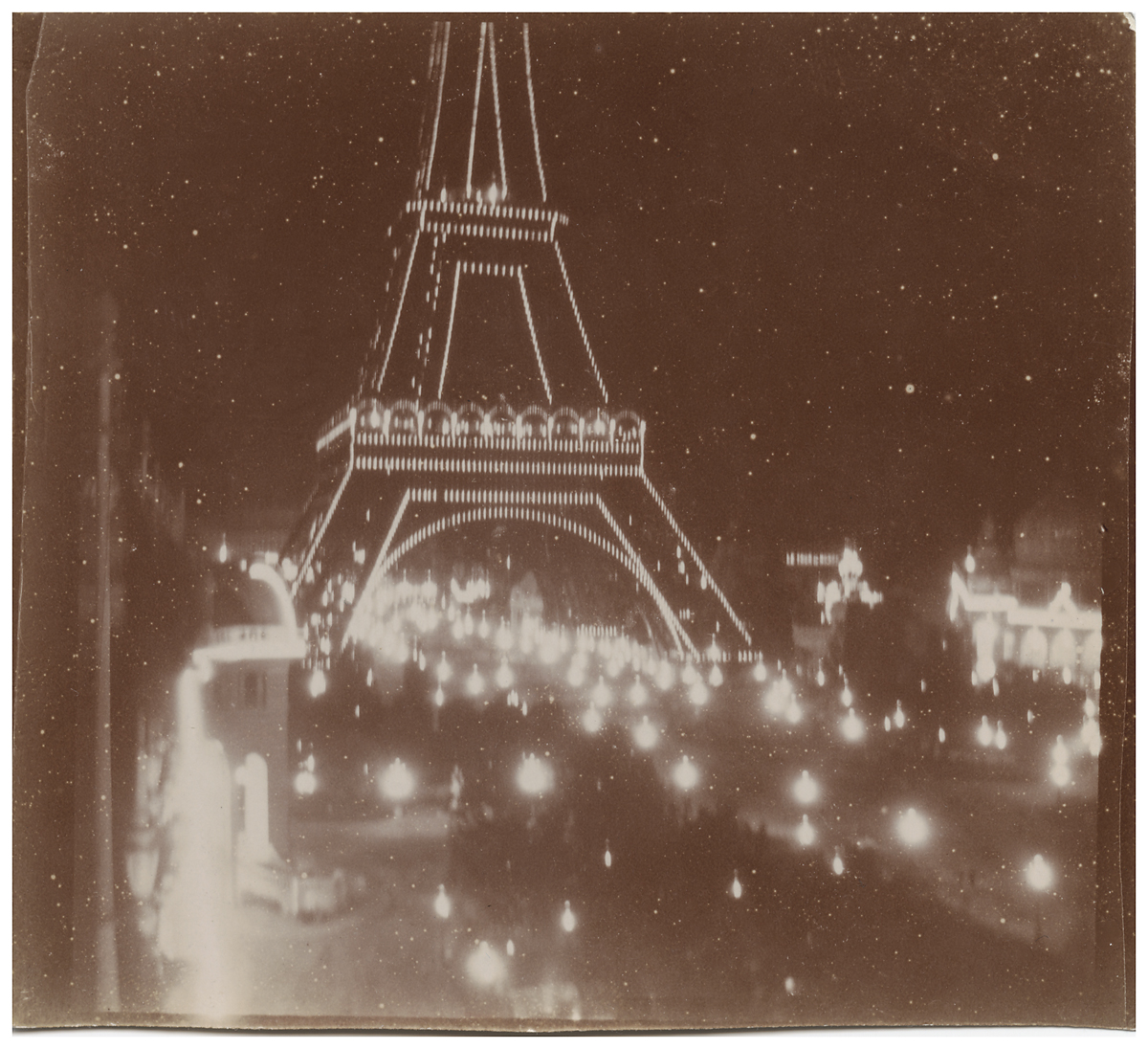
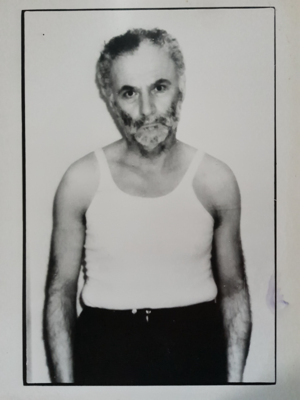
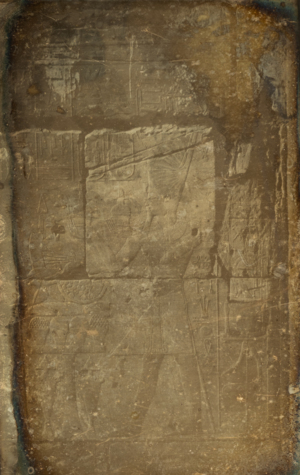
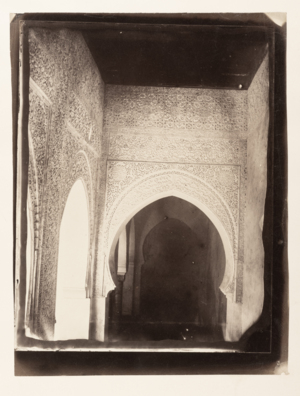
Joseph Augustin Pedra (1809-1879) Né en 1806. Habite Batna en 1857 lorsqu'il se marie avec Juliana Ruth. Il est alors déclaré comme peintre en bâtiment. Il ouvre un studio de photographie à Tlemcen vers 1857 où il rencontre Gustave de Beaucorps qui y réalise des prises de vue en 1859.
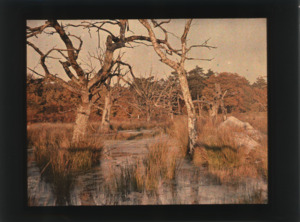
Charles ADRIEN (1866-1930) Originaire d’Aubervilliers, cet ingénieur des Arts et Manufactures devient membre de la Société Excursionniste des Amateurs Photographes en 1903, participe à l’Association des amateurs photographes du Touring-Club de France, et rejoint la SFP en 1907.
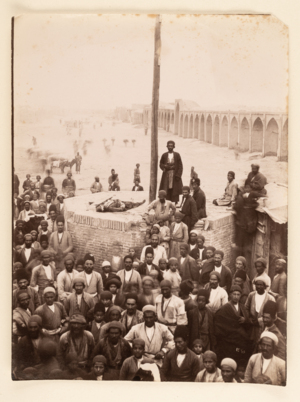
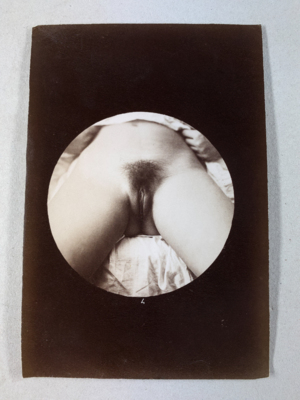
https://photo-discovery.com/catalogs/origine-du-monde.pdf
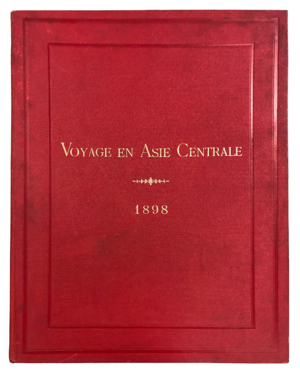
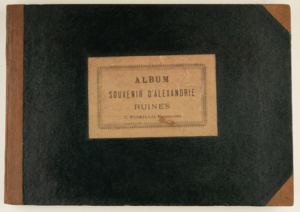
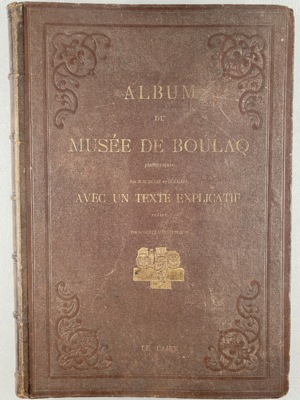
Album du musée du Boulaq comprenant quarante planches photographiées par MM. Delié et Béchard, avec un texte explicatif rédigé par Auguste Mariette-Bey. 1872
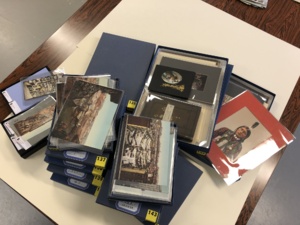
a unique collection of more than 1100 prints, with mammouth's size and panorama's in great condition
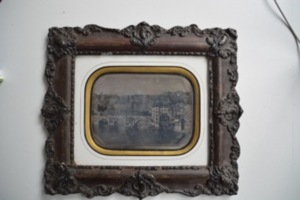
CONSERVATION RESTAURATION DE PHOTOGRAPHIES : FICHE DE CONSTAT D’ETAT. Constat réalisé à la demande de Bruno Tartarin Auteur : non att. Sujet : Pont et vues de la ville de Lyon. Daguerréotype monté sous cadre Dimensions :
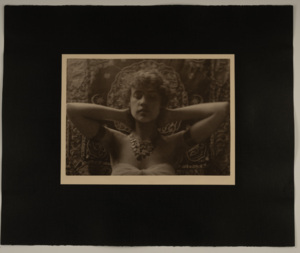
Alfred Enke (1852-1937) inherited the publishing company of his father Ferdinand Enke in 1874 and moved with his business to Stuttgart (Germany) the same year. He was one of the few wealthy amateur’s who took up the new pictorialist style in photography around 1890.
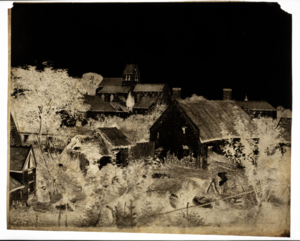
Actif dans la région de Cierges (Aisne) entre 1855 et 1859. Ensemble de négatifs sur papier ciré et de positifs sur papiers salés réalisés dans la région de Cierges (Hauts de France) par un gentilhomme, photographe amateur. Les épreuves sont datées de 1855 à 1859 et représentent essentiellement la...
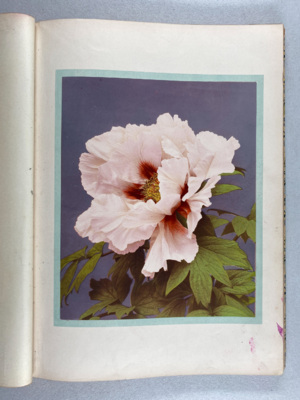
"Some Japanese Flowers" 37 Collotype Plates Printed in Tokio in 1897 by Kazumasa Ogawa (1860-1929} Sold by Kelly & Walsh Ltd 11 1/2" x 15 1/2" x 1" Dust jacket has been tape reinforced and shows wear consistent with age; it has done its job.
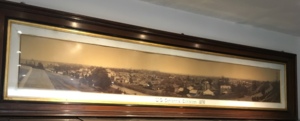
US Centennial exhibition 1876, mammouth the world's largest print of the time, By Frederick Gutekunst
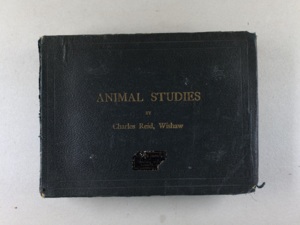
CHARLES REID : THE LANDSEER OF PHOTOGRAPHERS ANIMAL STUDIES, IN HIS OWN WORDS By Rebecca Sharpe Scottish photographer Charles Reid is an unsung pioneer of commercial wildlife and animal photography. His first forays in the field, using wet plate collodion, predate the better-known Kearton brothers,...
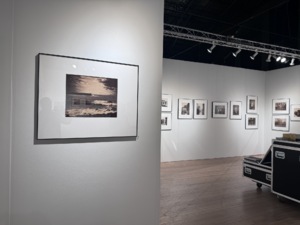

A spectacular album containing 51 hand-colored photographs of tradesman, costume studies and landscapes of Shanghai where Saunders was the leading photographer of the late Quing Dynasty. He was the first photographer known to produce hand-colored photographs in China.
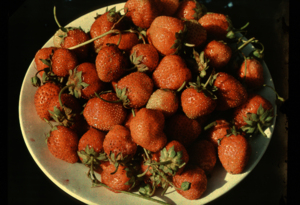
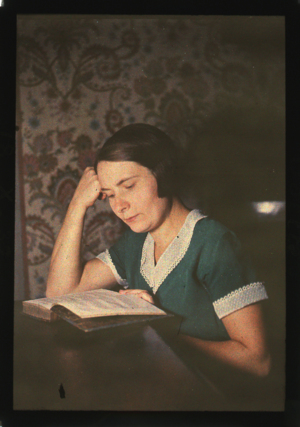
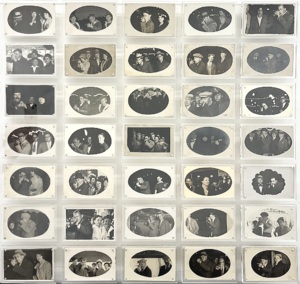
In the aftermath of the First World War, a new attraction appeared at fairgrounds: photographic shooting. The principle was simple. When the shooter hits the center of the target, they trigger a camera that instantly captures them in action.
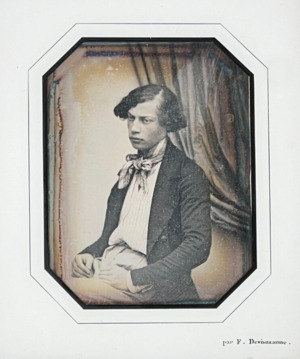
Avant La Dame aux camélias : un portrait au daguerréotype inédit d’Alexandre Dumas fils Je me contente de raconter. Alexandre Dumas fils Ce daguerréotype quart de plaque représente Alexandre Dumas Fils jeune.
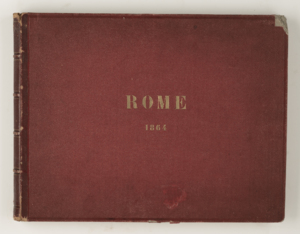
Pierre PETIT (1831-1909) ROME, 1864 Album de vues, sites et monuments : Fontaine de Trevi, Saint-Pierre, Fontaine du Triton place Barberini, Palais du Vatican, Statue de Marc Aurèle, musée au Capitole, Fontaine Paola, Colysée, Intérieur du Colysée, Arc de Titus, Temple de Jupiter, Arc de Dolabella,...
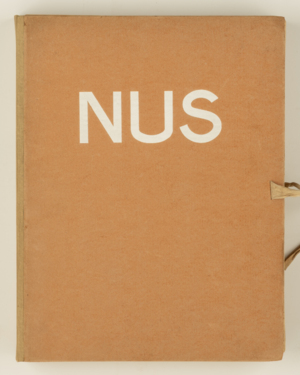
WALERY, Stanislaus (“Laryew”; 1863-1935). Nus. Cent Photographies Originales de Laryew. Paris: Librairie des Arts Décoratifs, [1923]. Folio. Complete with 100 photogravures of nude models (328 x 250 mm). Housed in publisher’s portfolio of beige boards with white cloth backstrip, front board lettered in dark brown, linen ties.
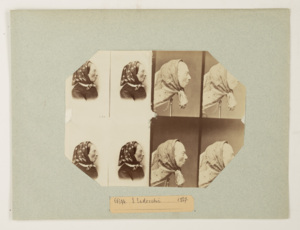
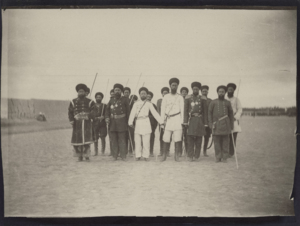
Jusque-là, Paul Nadar (1856-1939), fils et héritier du célèbre photographe Félix Nadar, exerce son art dans le domaine du portrait. Toutes les personnalités de la seconde moitié du 19e siècle défilent dans son atelier, suivies de la bourgeoisie parisienne.
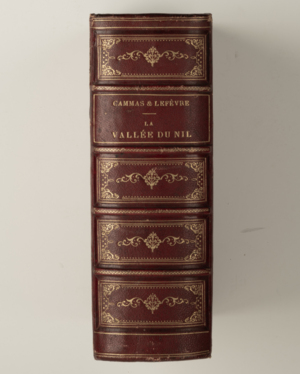
Henry Cammas (1813-1878) & André Lefèvre (1834-1904) La Vallée du Nil. Impressions et Photographies. Hachette, Paris, 1862. In-12. Reliure en demi-maroquin brun. Titre en lettres dorées sur le dos. 463 pp. de texte. Volume II: In-12.
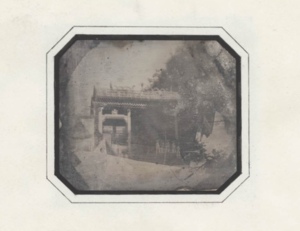
JULES ITIER (1802-1877) The Pagoda Occupied by Qiying During the Negotiations for the Treaty of Whampoa on October 24, 1844 Photograph taken during Théodore de Lagrené's diplomatic mission in the region of Macao to negotiate the Treaty of Whampoa (Huangpu), signed on October 24, 1844.
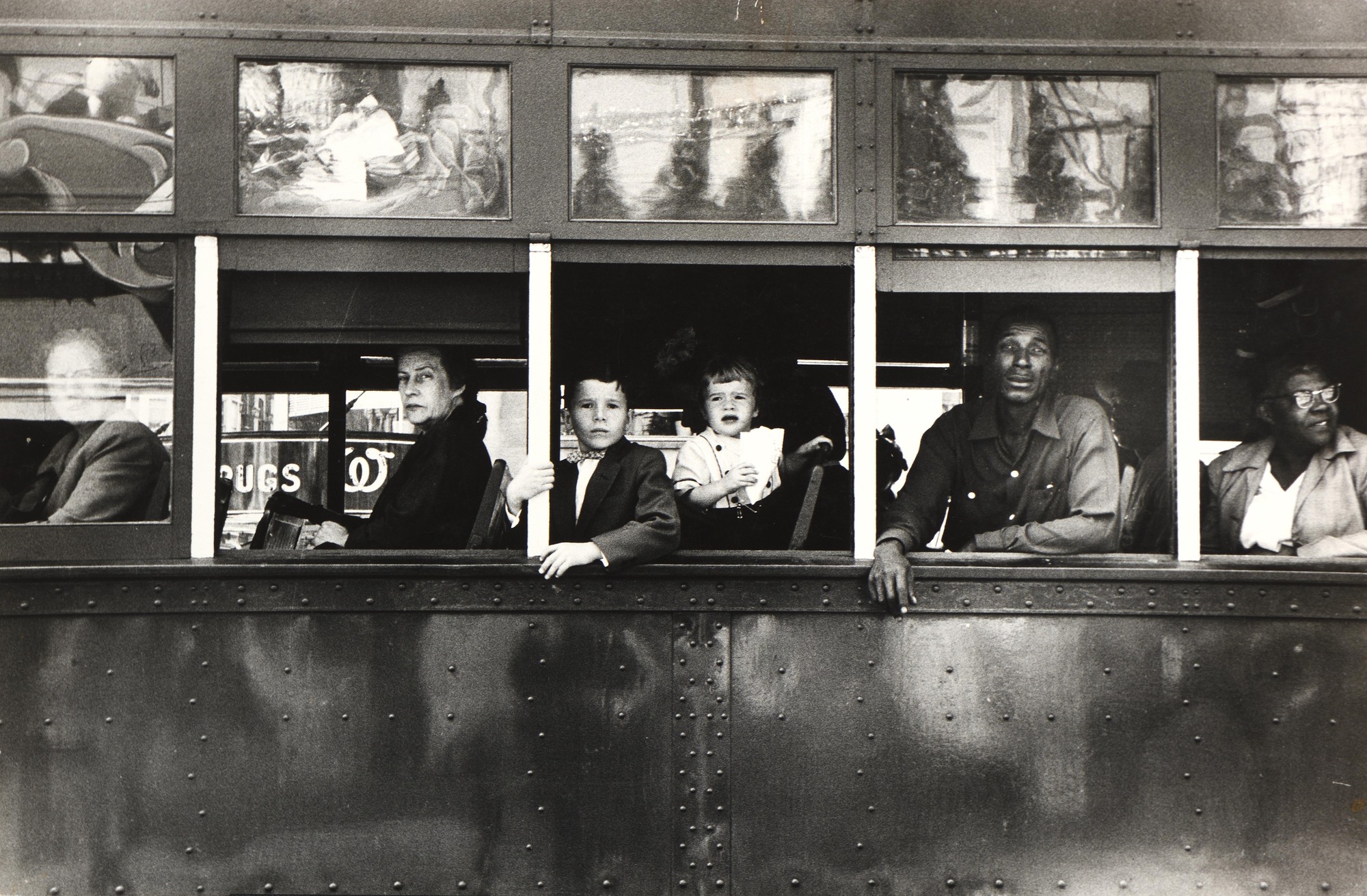
The words “print is dead, the future is digital” have been repeated ad nauseam the last 10 years. Evidently the French dealer and fair promoter Bruno Tartarin and the London based collector and writer Michael Diemar don’t think so. In 2019 they founded a new magazine: The Classic.
In addition to the magazine, many articles are published online on The Classic Platform
> Visit The Classic PlatformTo subscribe the newsletter and have priority access to exclusive “Coups de cœur” sales:


The words “print is dead, the future is digital” have been repeated ad nauseam the last 10 years. Evidently the French dealer and fair promoter Bruno Tartarin and the London based collector and writer Michael Diemar don’t think so. In 2019 they founded a new magazine: The Classic.
In addition to the magazine, many articles are published online on The Classic Platform
> Visit The Classic PlatformTo subscribe the newsletter and have priority access to exclusive “Coup de cœur” sales: